
Amazon Confirms Vega OS for Future Fire TV Sticks
Amazon’s Fire TV platform is undergoing one of its biggest changes in years—and now we have official confirmation of where it’s heading.
Amazon has confirmed that all future Fire TV Stick devices will move to its new Vega OS, replacing the Android-based Fire OS that has powered the platform for years. This isn’t speculation or industry rumour anymore—it’s been stated directly on Amazon’s own developer documentation, which clearly outlines the transition.
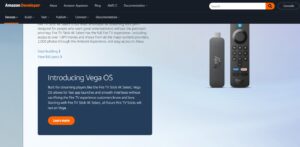
On the surface, this might sound like a simple technical upgrade. But in reality, it signals a major shift in how Fire TV devices will work going forward. Vega OS is not based on Android, and that one change has huge implications—especially for users who rely on sideloading apps, tools like Downloader, or more flexible ways of using their device.
From Android Freedom to a Closed System
For years, Fire TV devices ran on a version of Android (Fire OS), which allowed users to install apps outside of the official Amazon Appstore. This process—known as sideloading—made tools like Downloader incredibly popular, letting users install APK files, media players, and other third-party apps.
That flexibility is now under threat.
Vega OS is a completely different system, built by Amazon and not based on Android. One of its biggest changes is that it blocks the installation of apps from unknown sources, meaning sideloading is effectively gone for most users.
In practical terms, this means:
- No easy APK installs
- No “Downloader” workflows
- No quick access to third-party apps outside the Appstore
While there may be limited developer workarounds, these are far more restrictive and not something the average user will use.
Why Amazon Is Doing This
Officially, Vega OS is about performance and efficiency. Because it’s a lightweight, Linux-based system, it can run more smoothly on cheaper hardware and deliver faster navigation.
But the real reason is much clearer: control—and piracy prevention.
Fire TV devices have long been associated with so-called “jailbroken” setups, where users install apps that provide access to pirated streams. This has drawn increasing pressure from broadcasters, rights holders, and anti-piracy groups.
By removing sideloading entirely, Amazon is effectively closing the main loophole that allowed these apps to exist on its platform. Vega OS ensures that:
- Apps can only come from the Amazon Appstore
- Unverified or modified apps are blocked
- The overall ecosystem is tightly controlled
Reports suggest this is part of a wider crackdown, with Amazon already blocking or restricting apps linked to illegal streaming on existing devices.
What This Means for Users
For casual users who stick to Netflix, Prime Video, and other mainstream apps, Vega OS may actually feel like an improvement—faster, smoother, and more stable.
But for more advanced users, it’s a very different story.
The removal of sideloading means:
- No custom apps or niche streaming tools
- No alternative media players or modified apps
- No easy way to install software outside Amazon’s control
Tools like Downloader, once essential for many Fire TV users, effectively become redundant on Vega OS devices.
Even legitimate use cases—such as testing apps, running open-source software, or accessing region-specific tools—are now far harder or impossible.
The Bigger Picture – A Split Ecosystem
Interestingly, Amazon isn’t fully abandoning Android just yet. Devices like the Fire TV Stick 4K Max still run the older Fire OS, which supports sideloading and a much broader app ecosystem.
This means we’re entering a split Fire TV ecosystem:
- Older / higher-end devices → Android-based, flexible
- Newer / budget devices → Vega OS, locked down
However, if Vega OS proves successful, it’s likely Amazon will expand it further—potentially bringing these restrictions to more devices over time.
Will Users Move Away?
For a certain segment of users, the answer is almost certainly yes.
Those who rely on sideloading—whether for legitimate or less legitimate reasons—will likely start looking at alternatives such as:
- Android TV / Google TV devices
- Generic Android boxes
- Other open platforms that still allow APK installs
The irony is clear: by locking down its ecosystem to combat piracy, Amazon may push some users towards platforms where those same restrictions don’t exist.
Final Thoughts
Vega OS marks a turning point for Fire TV.
It’s faster, more controlled, and more in line with how companies like Roku operate. But it also removes one of the key features that made Fire TV so popular in the first place—its flexibility.
For some users, that won’t matter. For others, it changes everything.
And if this rollout continues, the days of easily sideloading apps on Fire TV devices could soon be over for good.
Comments
Amazon Confirms Vega OS for Future Fire TV Sticks — No Comments
HTML tags allowed in your comment: <a href="" title=""> <abbr title=""> <acronym title=""> <b> <blockquote cite=""> <cite> <code> <del datetime=""> <em> <i> <q cite=""> <s> <strike> <strong>