
North Koreas state television and Alan Titchmarsh’s trousers
In a surprising cultural twist, North Korea’s state television recently broadcast a segment from the BBC’s popular gardening programme, drawing attention not just for the content itself but for how the broadcaster handled the presentation of one of its hosts. Viewers noticed that the trousers worn by gardening expert Alan Titchmarsh were subtly censored — a rare glimpse into how North Korean media adapts foreign content for its own audiences.
The original BBC gardening show is a gentle, educational series focusing on seasonal horticulture, plant care and outdoor design — hardly controversial material by most standards. Yet in North Korea’s tightly controlled media environment, where international television is typically inaccessible and foreign visuals are carefully curated, even the casual attire of a British presenter can be treated with scrutiny.
State television’s decision to air the gardening segment is itself noteworthy. It suggests a deliberate choice to offer programming that feels wholesome and instructive, possibly as a way to introduce new subject matter without challenging ideological norms. Gardening, plants and self-sufficiency fit comfortably within themes that can be repurposed for domestic messaging. But the censorship of Titchmarsh’s trousers — blurred or recoloured on-screen — underscores how visual standards in North Korea differ from those in the UK. Editors evidently opted to alter elements they deemed too informal or incongruent with local broadcasting norms.
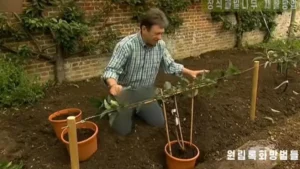
This incident also highlights the broader dynamics of international media adaptation. When content crosses cultural and political boundaries, what seems ordinary in one country can become sensitive in another. For North Korean audiences, the sight of a well-known British gardener — albeit partially modified — on state TV is unusual. For international viewers, it offers a rare, if quirky, window into how foreign media is received and reshaped within one of the world’s most controlled information environments.
Whether interpreted as light-hearted censorship or as a symbol of deeper media management, the BBC programme’s journey onto North Korean screens will likely fuel curiosity about what other foreign content might someday appear — and how it might be presented.
Comments
North Koreas state television and Alan Titchmarsh’s trousers — No Comments
HTML tags allowed in your comment: <a href="" title=""> <abbr title=""> <acronym title=""> <b> <blockquote cite=""> <cite> <code> <del datetime=""> <em> <i> <q cite=""> <s> <strike> <strong>